[Odyssey Math Tuition Singapore Enhances Maths Learning Experience](https://odysseymathtuition.com/maths-tuition-singapore/)
Posted by on 2026-04-08
Odyssey Tuition Overview
Enhancing Numeracy Skills in the Singapore Curriculum
As academic demands continue to evolve, parents and students across Singapore are seeking robust support systems to navigate the complexities of the mathematics syllabus. The focus has shifted from mere calculation speed to deep conceptual understanding and logical reasoning.
Key Components of Effective Tuition
Successful learning programs prioritize personalized guidance tailored to individual student needs. By identifying specific knowledge gaps early, educators can implement targeted strategies that build confidence and competence.
- Structured lesson plans aligned with local school syllabi
- Interactive problem-solving sessions to foster critical thinking
- Continuous assessment to track progress and adapt teaching methods
Investing in specialized mathematics support can significantly impact a student's academic trajectory. Institutions that combine expert instruction with a supportive learning environment are proving to be essential partners in educational success.
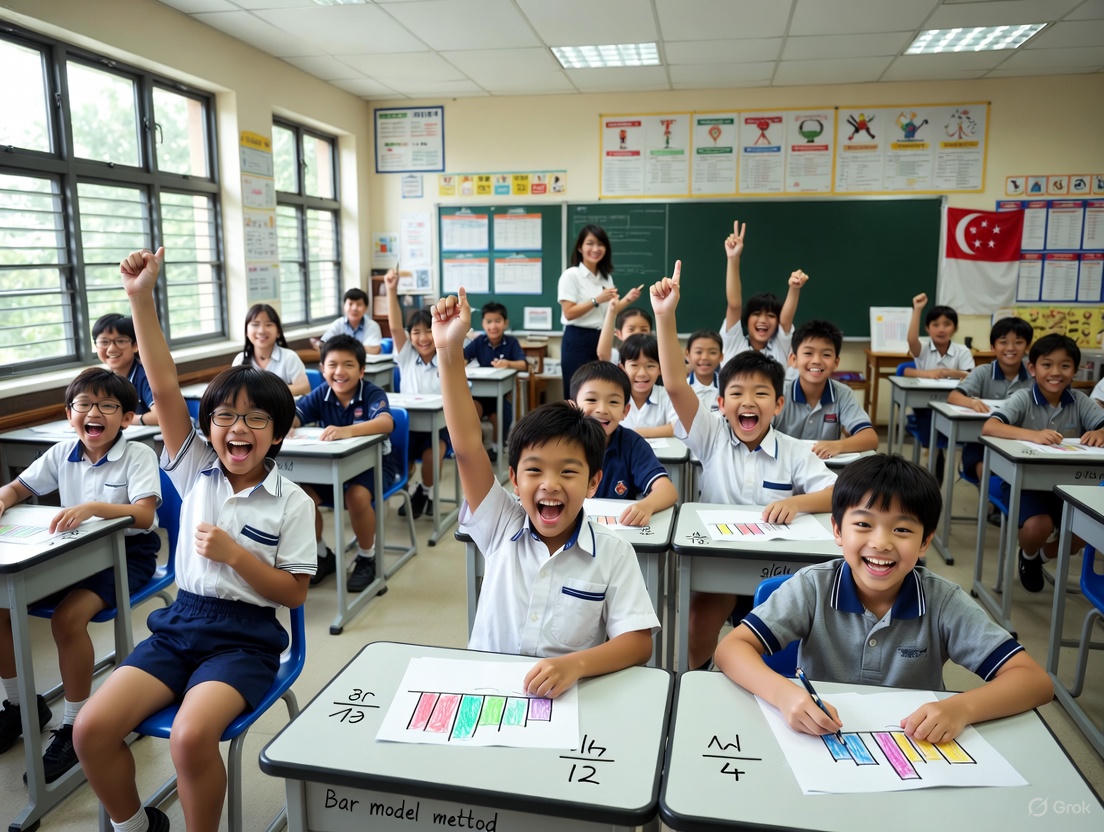
Personalized Learning Strategies
Evolution of Mathematics Education in Singapore
Singapore
Recent developments in the local education sector highlight a growing emphasis on adaptive learning techniques. Educators and parents alike are seeking methods that cater to individual student needs rather than a one-size-fits-all model. This shift aims to address the diverse learning paces found within primary and secondary classrooms.
Enhancing Student Outcomes Through Targeted Support
The focus has shifted towards critical thinking and problem-solving skills. Institutions are increasingly adopting tools that allow for tailored instruction, ensuring that foundational concepts are mastered before progressing to complex topics. This approach helps in building a robust understanding of mathematical principles.
- Adaptive curriculum design
- One-on-one mentorship
- Real-world application of concepts
Experts suggest that maintaining a supportive environment is crucial for long-term academic success. Resources available through specialized centers are helping to bridge gaps in understanding, ensuring students remain confident in their abilities.
Expert Faculty Deployment
Parents Seek New Strategies for Mathematics Mastery in Singapore
As the academic year progresses, a noticeable shift is occurring within the educational landscape regarding how students approach mathematics. Local parents and educators are increasingly prioritizing conceptual understanding over rote memorization to ensure long-term retention and application of skills.
Defining Mathematical Fluency
Central to this movement is the concept of mathematical fluency. This term refers to the ability to perform calculations efficiently, accurately, and flexibly, while also possessing a deep grasp of the underlying principles. It is not merely about arriving at the correct answer quickly, but understanding the 'why' and 'how' behind every step of the problem-solving process.
- Efficiency: Solving problems with minimal steps.
- Accuracy: Ensuring correct results through verified methods.
- Flexibility: Adapting strategies to different types of questions.
Impact on School Performance
Recent observations from schools indicate that students who focus on these foundational concepts demonstrate better adaptability during standardized testing. By building a strong mental framework early on, learners can tackle complex word problems that require logical reasoning rather than just procedural knowledge.
Experts suggest that consistent practice combined with guided feedback is essential for developing these skills. As the curriculum continues to evolve, maintaining a balanced approach between theory and application remains the key to success for students aiming for excellence in STEM subjects.
Conceptual Mastery Approach
Enhancing Mathematics Proficiency Among Singapore Students
Recent educational initiatives in Singapore focus on strengthening core mathematical competencies. Educators emphasize the importance of understanding fundamental principles over rote memorization to foster long-term academic success.
Strategic Learning Methods
Local schools are increasingly adopting modern pedagogical techniques. These methods aim to bridge the gap between theoretical knowledge and practical application.
- Interactive problem-solving sessions
- Real-world application scenarios
- Personalized learning pathways
Stakeholders believe that continuous improvement in curriculum delivery will yield better outcomes in national assessments. Parents are encouraged to support these efforts by fostering a positive attitude towards numerical challenges at home.
Proven Academic Outcomes
Strategies for Enhancing Mathematical Proficiency Among Singapore Students
Education experts are increasingly focusing on innovative methods to support students in mastering complex mathematical concepts. With the rigorous curriculum standards in place, parents and educators are seeking effective ways to bolster understanding and confidence in the subject.
The Role of Personalized Learning
One significant approach gaining traction is personalized learning. Tailoring instruction to meet individual student needs helps address specific gaps in knowledge. This method ensures that learners progress at a pace that suits their comprehension levels, reducing frustration and building a solid foundation.
- Identifying specific areas of difficulty early on.
- Utilizing adaptive teaching materials.
- Focusing on conceptual understanding rather than rote memorization.
Building Confidence for Future Success
Confidence plays a pivotal role in academic performance. When students feel secure in their abilities, they are more likely to engage with challenging problems. Schools and supplementary learning centers alike are prioritizing environments that encourage questioning and critical thinking.
As the demand for STEM skills continues to grow, the emphasis on strong mathematical skills remains a priority for the nation's educational framework. Continued support and resources are essential to ensure long-term success.
Flexible Class Formats
Mathematics Education Trends in Singapore
Recent discussions among educators highlight the importance of adaptive learning techniques. Students facing challenges in secondary school mathematics often require targeted support to bridge gaps in understanding.
Adapting to Individual Needs
Customized lesson plans address specific curriculum requirements. This ensures that every learner receives the guidance necessary to achieve their academic goals.
Long-Term Academic Growth
Sustained improvement comes from consistent engagement. Regular monitoring allows for timely interventions when difficulties arise.
The Role of Tutoring
Supplementary instruction provides a safe environment for asking questions. This fosters a deeper comprehension of complex mathematical concepts beyond the standard classroom pace.